Authored by Juhea Kim; Published November 2024; Fiction
⭐️⭐️⭐️ / 🏖️🏖️🏖️🏖️
City of Night Birds brought back stinging memories of brutal ballet rehearsals and merciless coaches. But the novel is about more than dance, about even more than art.
In City of Night Birds, we follow the rise and fall of ballerina prodigy Natasha Leonora, as she struggles from penniless untrained girl to prima ballerina with the Paris Opera. The politics of ballet companies in St. Petersburg and Moscow take their toll on her, as does the sometimes poisonous camaraderie among the dancers themselves. But it is her relationship with fellow ballerina Sasha that is ultimately her undoing: While unquestionably a star himself, his support of the Russian annexation of Crimea and subsequent invasion of Ukraine upends their carefully constructed life in Paris.
Perhaps I am falling victim to rank stereotype, but I was sure that any depiction of ballet companies would be full of only vindictive, ambitious dancers. There was certainly a large share of those in this novel, but I was surprised by the amount of generous, kindhearted ballerinas that surround Natasha. The friendship between the less famous Nina and Natasha seems miraculous, with Nina always willing to yield to Natasha’s endless appetite for more attention and gifted with a vast (though not bottomless) supply of forgiveness. Nina, and a few like her, saved the novel from a fully cutthroat atmosphere and made reading it far more pleasant. But of course, it is also a story of women coming of age together: plenty of betrayal, abandonment of friendships, and grudges to go around. The romantic relationships felt somewhat more easy-come, easy-go—as can be the case with teenage girls.
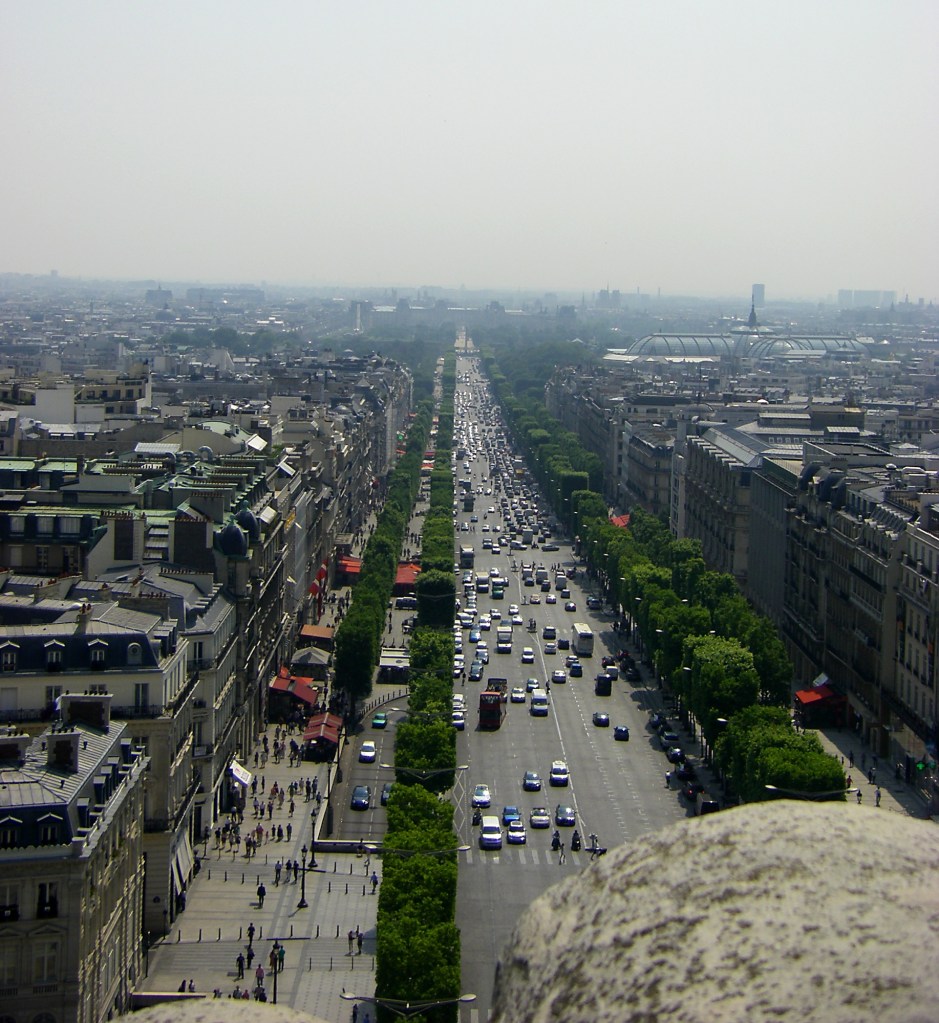
But much of the depth of the novel comes from Natasha’s meditations on art, what it costs and what it gives, and on home. Home is a controversial subject for Ukrainians and Russians right now, and Natasha’s musings come off as personal, almost entirely detached from the political. For her, the war is mostly identified as an obstacle to overcome, rather than a large-scale geopolitical upheaval of Europe. For a second, you can see how ordinary Russians might be experiencing it. The author really shines, though, in the exultation of art; how its transcendence, though costly, is the kind of miracle we still need in the midst of war and turmoil. In spite of all the physical and emotional pain Natasha goes through, it is this transcendence that concludes the novel on a note of hope.
Russian novels have always seemed excessively tragic to me, but City of Night Birds is balanced between shares of sadness and hope. If you want to read about how Russia’s recent actions have affected other parts of their culture, this is a good one to check out.
 Breakaway Books
Leave a comment