Authored by Emily Dunlay; Published July 2024; Historical Fiction
⭐️⭐️⭐️ / 🏖️🏖️🏖️🏖️
From start to finish, I was torn about the titular character of Teddy. I have rarely read a novel featuring a woman whom I so often rolled my eyes at and yet with whom I sympathized.
Teddy is languishing as a spinster in Dallas, Texas, when a blind date with a diplomat posted to Rome ends in marriage in a little over a month. Trained in the etiquette of hosting, Teddy is delight to experience her new glamorous life of hosting but quickly discovers that that is not what her husband, David, has in mind for her. Unable to control her spending or her urges, Teddy quickly becomes mired in scandal with the famous ambassador, a former actor straight out of Hollywood. Desperate to maintain the apparent order of her life, she embarks on a haphazard journey to save her reputation.
I could not put this book down—I knew the train wreck was coming, and I didn’t really want to witness it, but I did want to know what the shape of it would be. During her escapades, person after person uses Teddy as a chess piece, cruelly ignoring her wellbeing and happiness, and my fondest hope was, in the end, that Teddy would somehow manage to best them all. The ending sort of delivered on that promise, but it was hard not to feel that she merely surrendered to the disaster that surrounded her. As a protagonist, Teddy was not my favorite; she was just a little too oblivious and childlike, never quite grasping the events happening around her. Of course, this mindset is repeatedly enabled by her family and husband, to the point of forming horrible narratives in Teddy’s own mind about her powerlessness and all the ways she is deficient, not at all the way she is supposed to be. It was almost enough to transform my annoyance at Teddy into pure sadness.
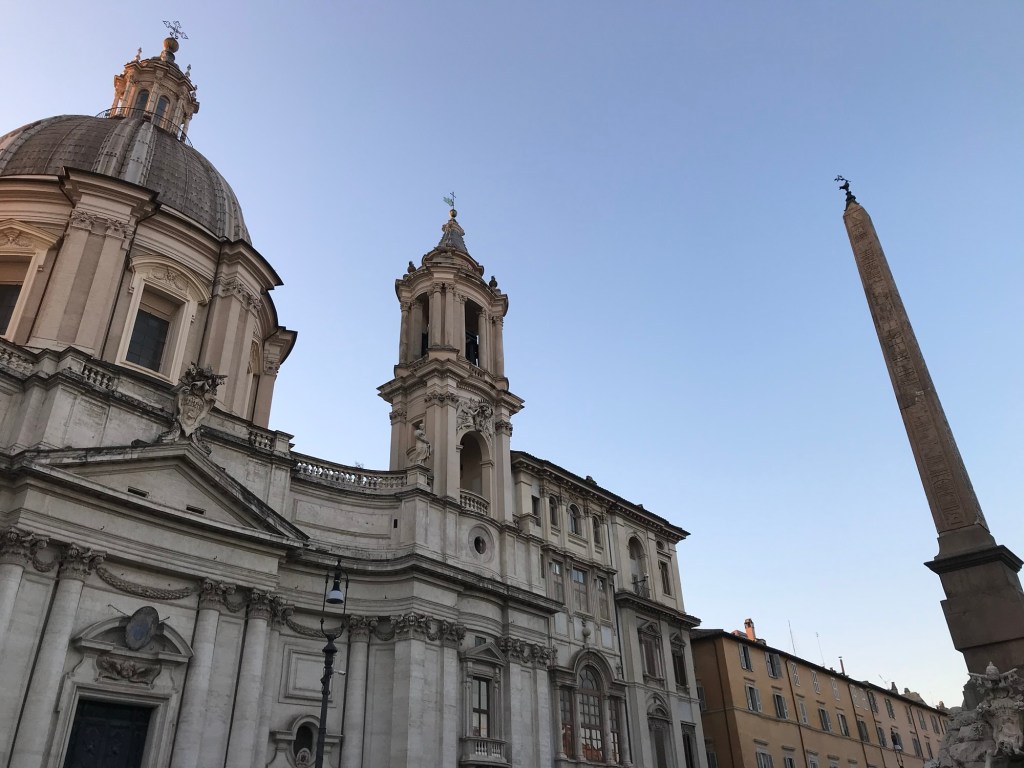
There is an amount of Cold War glamor in the book, with the blending of Hollywood with DC politics and the intrigue of Russian spies. Teddy’s wealthy family is a political dynasty, and their desperation to protect themselves from scandal constantly propels the book forward, leaving back-alley deals and unfortunate victims in their wake. Even Teddy’s marriage is, in a way, a product of these machinations—and truly, it is the only way such a horrible match could have occurred. Of course, what is defined as a scandal in the 1960s is far, far from what would be a scandal in today’s papers, giving parts of the novel an almost quaint feel, while others are truly nightmarish. (I’ll never get over how much control men had over their wives’ money.)
Teddy is compelling, in a destructive and sad kind of way. But honestly? Sometimes that’s exactly what I want.
 Breakaway Books
Leave a comment