Authored by Olivia Laing; Published November 2025; Historical Fiction
⭐️⭐️⭐️ / 🏖️🏖️
I hesitate to write a review of The Silver Book. I know so little about the time period and the context that I’m not sure that the novel had the intended impact for me.
In The Silver Book, Nicholas is running away from a mysterious tragedy in England when a chance encounter with the famous costumer/set designer Dani sends him to Rome as his assistant and general busybody. What follows is an intense encounter with post-fascism Italian politics and the drama of the filmmaking world. Over the course of their relationship, Dani and Nico are, in turns, enamored, as platonic as roommates, broken up, and reunited with passion once more. But their relationship, as dramatic as it may be, fades into the background when compared with the events they witness.
One of my weaknesses as a reader is that I am inclined to speed through just about every novel that I read. The Silver Book, in retrospect, seems like a novel to sit with, despite its short length. Nicholas does not have a straightforward arc throughout the book; instead, he continually struggles with guilt over the tragedy he left behind in England. There is no easy conclusion for him, but I wish I had spent more time considering how his previous experiences affect his relationships in Italy and send ripples out through the rest of the plot. I wish that I had really envisioned the movie filming as it is being described, the bizarre techniques used in the 1970s to make special effects that we take for granted today. The world of filmmaking is often depicted as glamorous, but The Silver Book shows that it is anything but that. Dani’s frenetic work creating two films throughout the book is certainly worth more attention than I gave it.
But the heart of this novel seems to be the post-fascism politics of Italy. I confess, on this topic, I am woefully uninformed, and without that knowledge, at best, I felt like I was playing catch up, and at worst, I was convinced that I completely missed the most important moments of the novel. There were snippets of Pasolini’s inflammatory statements against capitalism and consumerism and indications of his Communist affiliation, but I would have loved just a little more insight into his beliefs and why exactly they made him so hated by the shadowy groups that eventually succeeded in killing him. Pasolini’s relationships with young men were featured prominently (and made me a little uncomfortable), but there were far too few details on his political activism for my taste.
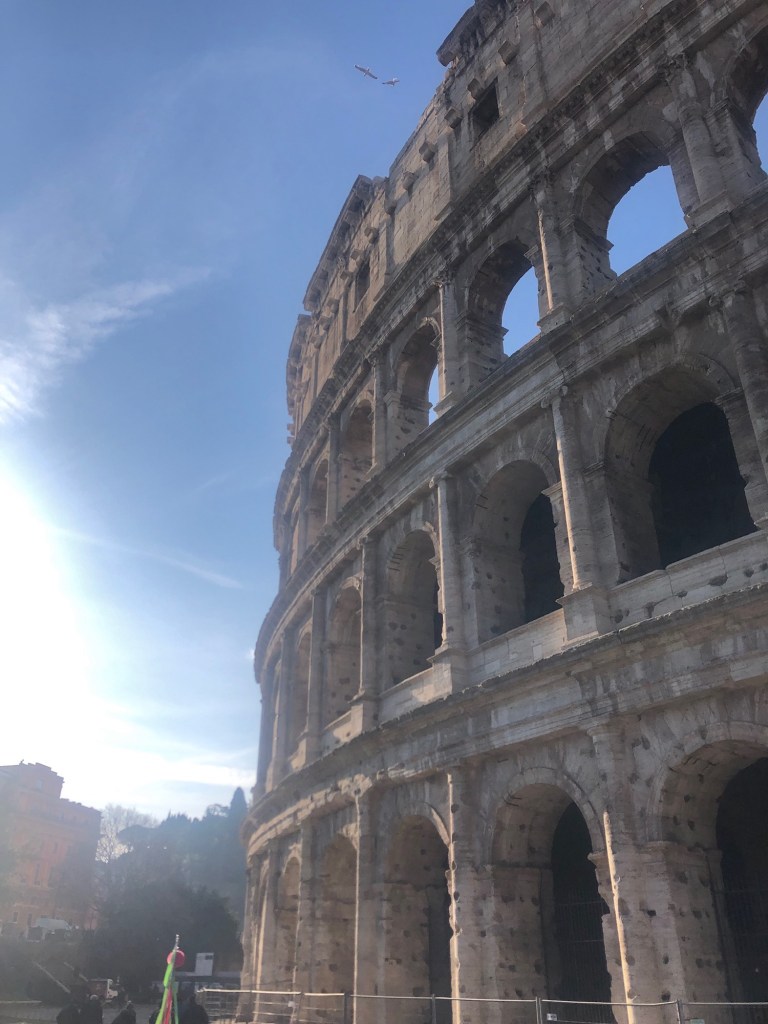
The Silver Book is a first-person odyssey through a very particular slice of post-fascism history. I wouldn’t necessarily read it to learn about the era, but if you’re already familiar, I’m sure you’ll love it!
 Breakaway Books
Leave a comment