Authored by Daniel Kehlmann; Published May 2025; Historical Fiction
⭐️⭐️⭐️⭐️
There’s a specific type of haunting air to the novels featuring World War II collaborationists. It’s never quite as straightforward as it seems to be, and it’s always tragic—and that is the case with The Director.
In The Director, G. W. Pabst adores his craft, and he is always thinking of how to make the perfect film. As WWII approaches, his career in Hollywood begins to flounder and his mother sends an urgent summons from Austria, ultimately leading Pabst and his family to the Reich for the length of the war. Recruited by the regime to make films once more, Pabst struggles with the compromises in quality he must make and becomes obsessed with the one perfect movie he manages to pull off. Meanwhile, his family suffers.
Pabst is not an easy character to sympathize with. Unfaithful to his wife and inattentive to the needs of his family, he seems singularly focused on creating the best movies he possibly can. As the novel progresses, we see just how far he is willing to go, even using prisoners of concentration camps as extras. When his family enters Austria in the lead-up to the war, a trickle of fear dripped down my spine, as it becomes obvious that not only would all the members of his family be subject to a panoply of indignities, but they would also all be changed permanently. It seems to be not the egregious lengths to which he goes that break him, but the fact that there is no result: His great masterpiece is lost, and at the loss, the fire inside him dies out. To watch him lose his passion and then his memory is a particularly heart-rending version of witnessing the pain of aging.
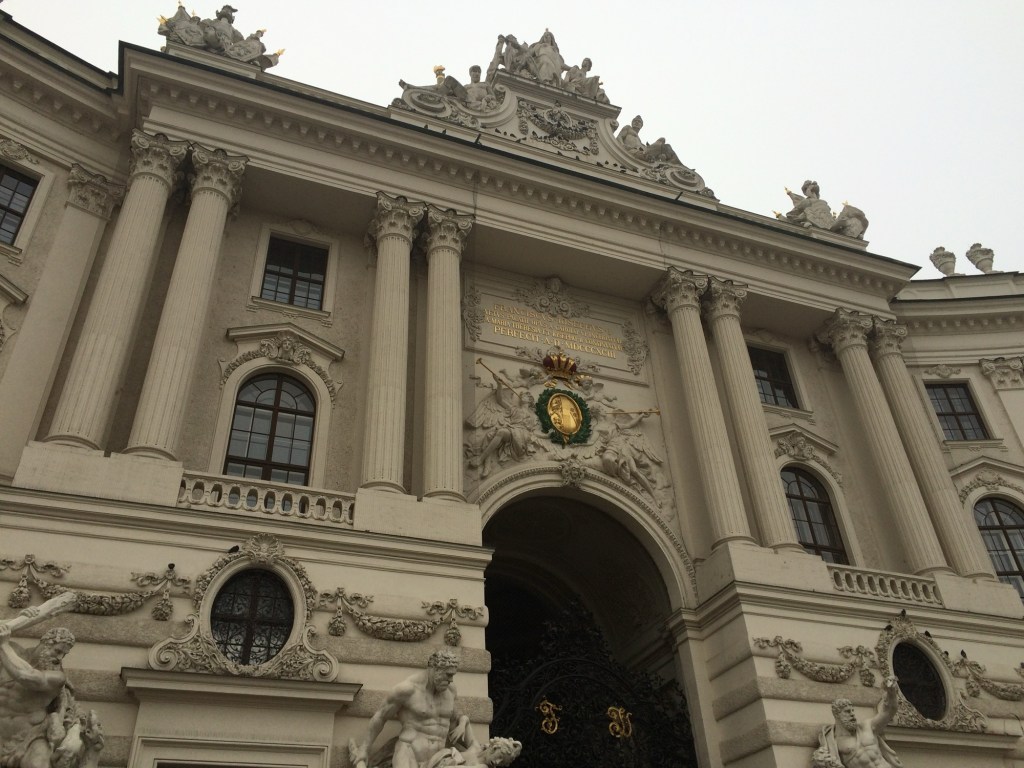
The story is told mostly in retrospective, and the author seems to enjoy playing with the fallibility of memory. In addition to bookending the narrative with episodes of a secondary character who has dementia repeatedly trying and failing to remember precisely what happened, the author makes clear that society itself has forgotten the truth of Pabst’s works during the war. But of course, it’s difficult to remember the truth of what happened when so much pain was taken to hide who did what, who collaborated with whom, who was a true believer and who just did what they had to in order to survive. Like many readers, I want to say I would have been the hero who risked their life in order to save innocents, but it’s far more likely I would have avoided the war outright–as Pabst had the chance to do. But Pabst steps even further into the gray, making movies for the regime and justifying, justifying, justifying his actions, basing his arguments on the importance of continuing to create art, even during the war. His justifications seem thinner and thinner as the narrative continues.
The Director tells the story of a man obsessed and the fallibility of memory. It’s far from a straightforward historical fiction novel, but it’s a good story to meditate on.


Leave a Reply