Authored by Ian McEwan; Published September 2025; Science Fiction (?)
⭐️⭐️⭐️⭐️/ 🏖️🏖️
What We Can Know is full of romantic drama and extramarital affairs, but at its core, it’s about the gap between what we experience and what history will know of our lives when we become something of the past.
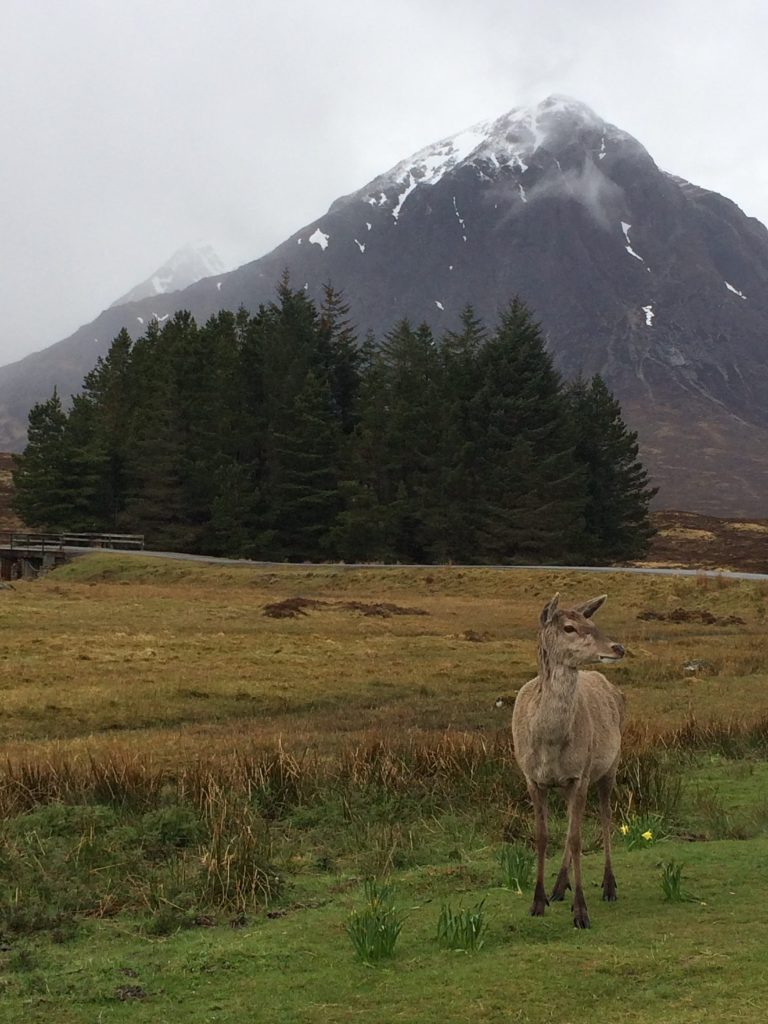
In What We Can Know, we follow a historian, Tom, living in the twenty-second century and completely obsessed with a poem composed in the twenty-first, before the world was wrecked by climate change. He meticulously tracks the life of the author, Francis Blundy, and the subject of the poem, his wife, Vivien. Despite his thorough search, Tom has failed time and time again to find a copy of the poem, which has gained notoriety in spite of the fact that its contents are unknown, becoming inexplicably linked with the movement to try to save the Earth from climate change. Finally, Tom discovers a cryptic clue to the location of the poem that sends him on a perilous journey to Scotland, and his discovery is life changing.
This novel is a fascinating twist on the traditional model of historical fiction: dual timeline narratives. Yes, there are two stories, but instead of anchoring the narrative in the present and looking back, we’re looking forward, with one storyteller revealing how the world has changed in the twenty-second century. Tom’s story was littered with tantalizing clues about how climate change had ultimately wrought complete catastrophe and a reshaping of the world order—science (or perhaps speculative?) fiction at its best. However, Tom’s journey is merely a frame for the emotional heart of the story, the lives and work of Francis and Vivien Blundy.
The Blundys’ story is a much more typical drama, heart-wrenching but within our contemporary experience. Domestic drama, with more extramarital affairs than I hope is realistic, reigns within this narrative. After watching Tom searching ardently for Francis’s poem dedicated to Vivien in the first half of the book, we hear Vivien’s firsthand account of her life, discovered in her journals, in the second. The juxtaposition of the narratives in this way–one after the other rather than interspersed snippets–allows us to understand just how little Tom is able to deduce from the historical artifacts we leave behind. Tom was able to speculate and piece together the externalities of Vivien’s existence, but only Vivian could reveal her motivations and the secrets she tried desperately to hide during her lifetime. It was a fascinating invitation to meditate on what we can really know about those who came before.
What We Can Know is an interesting twist on the historical fiction form that I’ve gotten used to over the past couple of years. If you enjoy thinking about what future may lay ahead of us but also love a good dose of drama, this book could be for you.
 Breakaway Books
Leave a comment